
Exploring Casinos Worldwide: Culture, Games, and Experience
In the vibrant landscape of entertainment options available today, online casinos worldwide have gained immense popularity. However, traditional casinos still hold a unique charm that attracts millions of visitors every year. From the glitzy lights of Las Vegas to the elegant establishments of Monaco, casinos offer not just gaming, but a complete experience that intertwines culture and social dynamics. This article delves into the world of casinos around the globe, examining their history, cultural significance, and the evolution of gaming experiences.
The Rich History of Casinos
The first recognized casinos date back to the 17th century in Italy, where they began as small gambling houses. The term “casino” itself originates from the Italian word “casa,” meaning house. These establishments offered a variety of games, and their popularity led to the development of casinos across Europe. By the 19th century, casinos had firmly established themselves as integral parts of social life in cities like Paris and Baden-Baden.
The modern casino as we know it today, however, began to take shape in the United States. In the early 20th century, Las Vegas emerged as the gambling capital of the world. With its alluring combination of luxury hotels, entertainment, and gambling, Las Vegas redefined the casino experience, making it a hub for tourists and high-rollers alike.
Casinos Around the World
Today, casinos are a global phenomenon, each reflecting the local culture and ethos. Here’s a brief overview of some notable casinos around the world:
Las Vegas, USA
Las Vegas is synonymous with gambling. The Las Vegas Strip features some of the most famous casinos, such as Bellagio, Caesars Palace, and MGM Grand. These casinos offer a dazzling array of gaming options, luxurious accommodations, world-class restaurants, and top-notch entertainment. The city is a year-round tourist destination, with annual events like the World Series of Poker drawing international crowds.
Monte Carlo, Monaco
Monte Carlo is another prestigious name in the casino world. The Casino de Monte-Carlo, with its grand architecture and opulent interiors, has been a premier gambling destination since the 19th century. Monte Carlo represents the epitome of luxury, attracting the elite from around the globe. The glamour and sophistication associated with this casino are unmatched, making it a must-visit for those seeking a lavish experience.
Simplon Casino, Switzerland
Nestled in Brig, Simplon Casino offers a more intimate gaming experience with stunning views of the Swiss Alps. Although smaller than its counterparts in Las Vegas or Monte Carlo, the casino provides a warm atmosphere where visitors can enjoy a variety of games, including poker, blackjack, and roulette, while soaking in the breathtaking mountain scenery.
Sands Macao, China
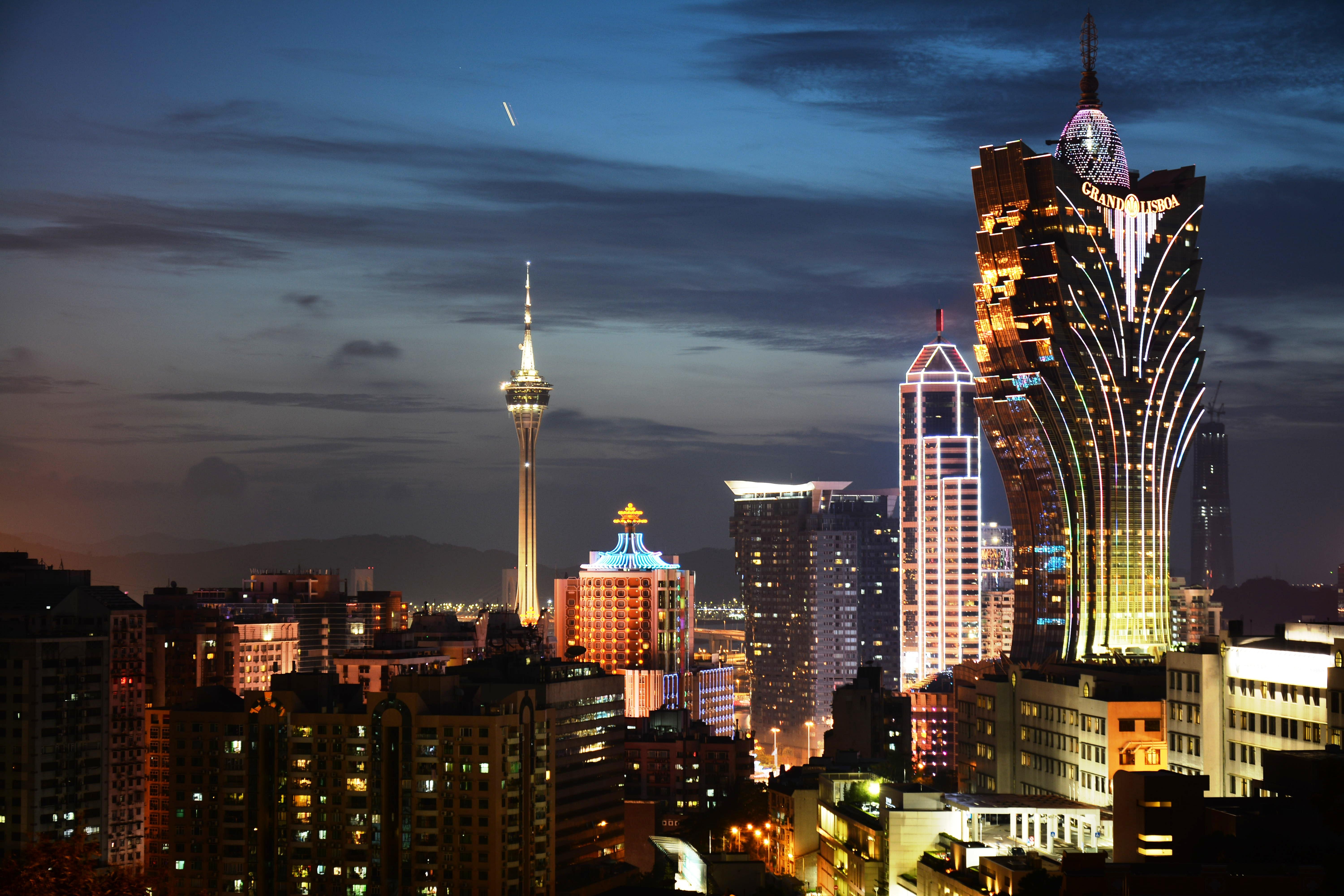
As one of the largest casinos in the world, Sands Macao features a massive gaming area, luxurious accommodations, and numerous dining options. Since the legalization of gambling in 2002, Macao has quickly become a major gaming hub, outpacing Las Vegas in revenue. The fusion of eastern and western cultures is evident in Sands Macao, providing a unique experience that attracts millions of gamblers each year.
The Evolution of Casino Games
Casino games have evolved significantly over the years, adapting to changes in technology and player preferences. Classic games such as poker, blackjack, and roulette continue to be popular, while new games are continuously developed to keep the experience fresh and exciting.
With the rise of online gaming, traditional casinos have also had to adapt. Many now offer digital platforms to attract a younger audience that prefers the convenience of mobile gaming. Online live dealer games have also gained traction, allowing players to enjoy the thrill of a real casino from the comfort of their homes.
Cultural Significance of Casinos
Casinos are not just places for gambling; they are cultural landmarks that reflect the heritage and values of their locations. In many cultures, gambling has deep historical roots, often associated with festivals and communal activities. In regions like Asia, gambling is tied to spirituality and tradition, while in the West, it often signifies entertainment and leisure.
Furthermore, casinos often host major events, from poker tournaments to concerts and theatrical performances, influencing local economies and tourism. They can serve as cultural melting pots, where people from various backgrounds come together to share experiences, making casinos hubs of social interaction and cultural exchange.
Challenges and Regulations
While the casino industry flourishes, it does face challenges. Regulatory frameworks vary widel

y across countries, and maintaining compliance can be a complex endeavor for casino operators. Issues such as problem gambling and money laundering are critical concerns that the industry must address.
Many casinos have adopted responsible gaming initiatives to promote awareness among players and offer resources for those seeking help. Additionally, the industry is seeing a push towards transparency and the ethical management of operations to gain and retain public trust.
Conclusion
Casinos worldwide continue to evolve, blending tradition with innovation to create unforgettable experiences for millions. As cities invest in their gambling infrastructure and adapt to the changing landscape, the future of casinos remains bright. By embracing both the historical aspects of gambling and the new technologies redefining the industry, casinos not only sustain their allure but also pave the way for a thrilling future in global entertainment. Whether through the glamour of Las Vegas, the elegance of Monte Carlo, or the rich culture of Asian gaming hubs, casinos are here to stay, and their stories are continually unfolding.